Face Attendance vs Fingerprint: Which Suits Offices and Factories?
Comparing face recognition and fingerprint attendance on speed, hygiene, buddy punching, devices, and HRIS integration.
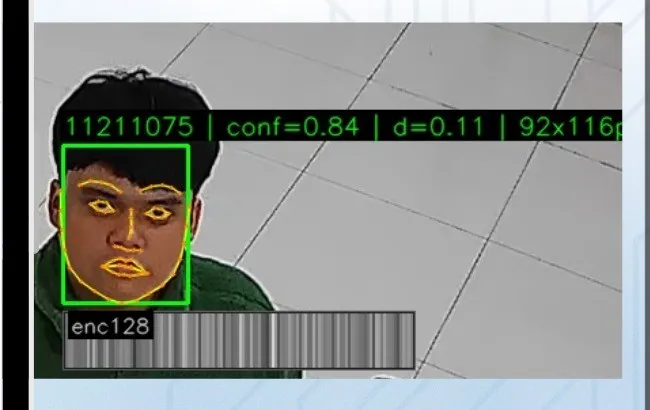
Fingerprint machines are still widely used, but more and more organizations are switching to face attendance. Each has its own advantages.
Speed at clock-in time
Fingerprint requires employees to queue one at a time. Camera-based face attendance records presence as employees walk past the camera, reducing queues at peak times.
Hygiene and finger condition
Field, factory, or kitchen workers often have dirty, wet, or worn fingers that make fingerprints hard to read. Face attendance requires no touch.
Preventing buddy punching
Both methods are harder to fake than cards. Face attendance keeps a photo as evidence, so HR can check questionable records.
Field employees
For employees who don't come to the office, attendance from a phone with geofencing and a face photo is more practical than a machine in one location.
Devices
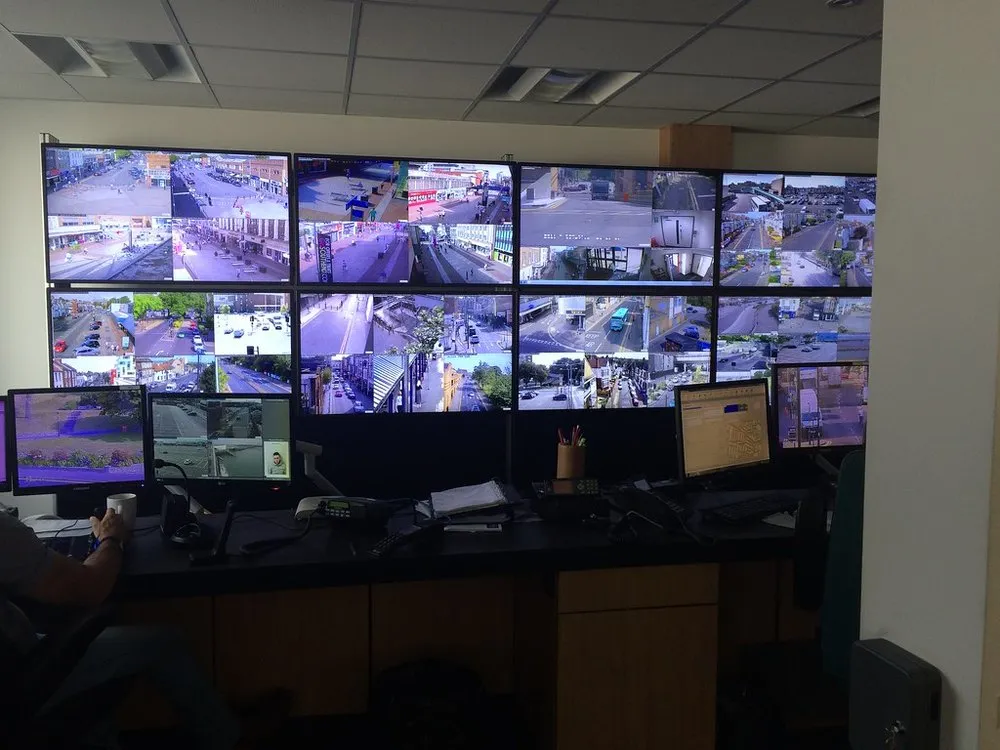
A fingerprint machine is practical enough for a single door. Face attendance can use existing CCTV if its quality and position are adequate, so new devices aren't always needed.
Data integration
What matters most is not the device but where the data goes. Make sure attendance data flows straight into HRIS for leave, overtime, and payroll, without re-compiling.
Conclusion
For a small office with one door, fingerprint is still enough. For factories, campuses, or companies with many employees and field teams, a combination of face attendance and phone-based attendance is usually more efficient.
Tell us about the process. We'll help map out the most proportionate approach.