Turning Your Existing CCTV into a System That Understands Context
What CCTV analytics is, how it differs from ordinary motion sensors, and how to add an AI layer on top of cameras you already have.
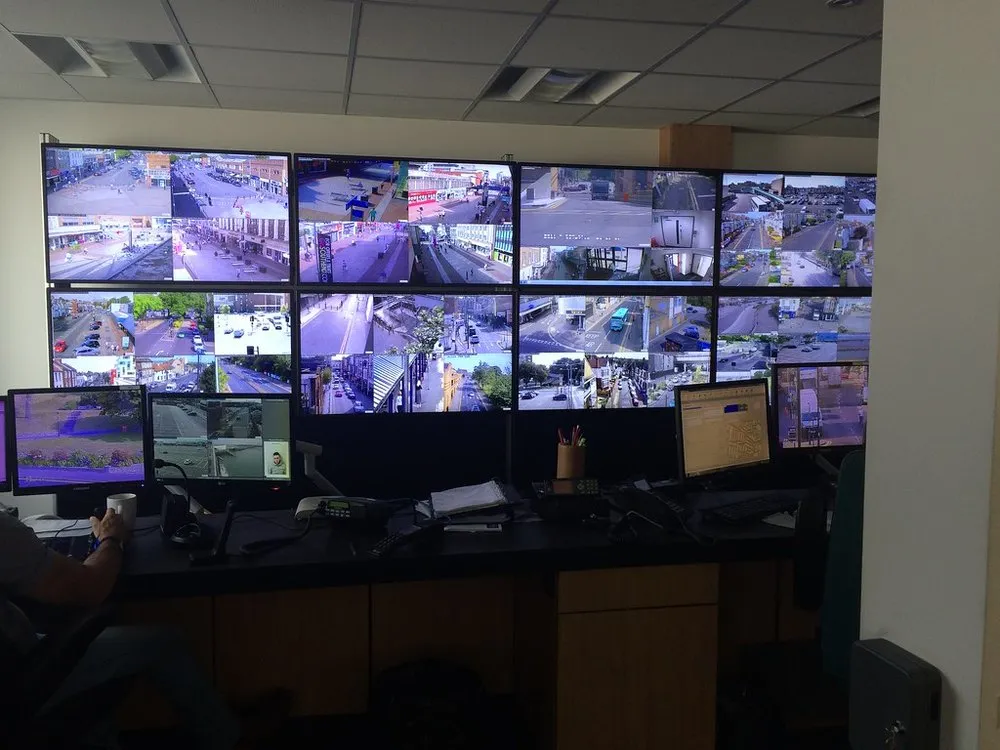
Most CCTV only records. Footage is only reviewed after something happens, and no one can watch dozens of screens all day. CCTV analytics turns cameras into a system that "sees" along with you.
How it differs from ordinary motion sensors
A camera's built-in motion sensor is triggered by anything that moves: shadows, rain, leaves, or animals. As a result, alerts come too often and end up being ignored.
CCTV analytics recognizes the object: people, vehicles, or license plates. Alerts are only sent for events that truly matter, for example someone entering a restricted zone outside working hours.
The most commonly used features
- Person and vehicle detection in real time.
- Smart event triggers: line crossing, intrusion, loitering, and PPE detection.
- Multi-target tracking for busy areas such as gates.
- Smart playback: searching footage by object instead of scrolling for hours.
- Instant notifications to the dashboard, email, or your team's WhatsApp, complete with a snapshot.
Do the cameras need to be replaced?
Not always. The AI layer can run on top of existing cameras as long as image quality and positioning are adequate. What to check during the survey:
- resolution and image quality at night,
- the camera angle relative to the area to be monitored,
- the network between the cameras and the analytics server.
Points that fall short only need to be supplemented as needed, not every camera replaced.
Where does the analytics run?
Analytics can run on a local server (on-premise). That way video doesn't need to leave the site — important for government agencies, campuses, and industrial areas.
Where to start?
Choose a priority area, such as the main gate or a high-risk work area. Run a pilot, set zones and alert rules with the security team, then expand once the results are measured. Learn about Sentra's CCTV Analytics service.
Tell us about the process. We'll help map out the most proportionate approach.