Automatic PPE Detection from CCTV: How It Works and How to Prepare
How AI detects helmets, vests, and safety gear from CCTV, what needs to be prepared, and how HSE teams use the alerts.
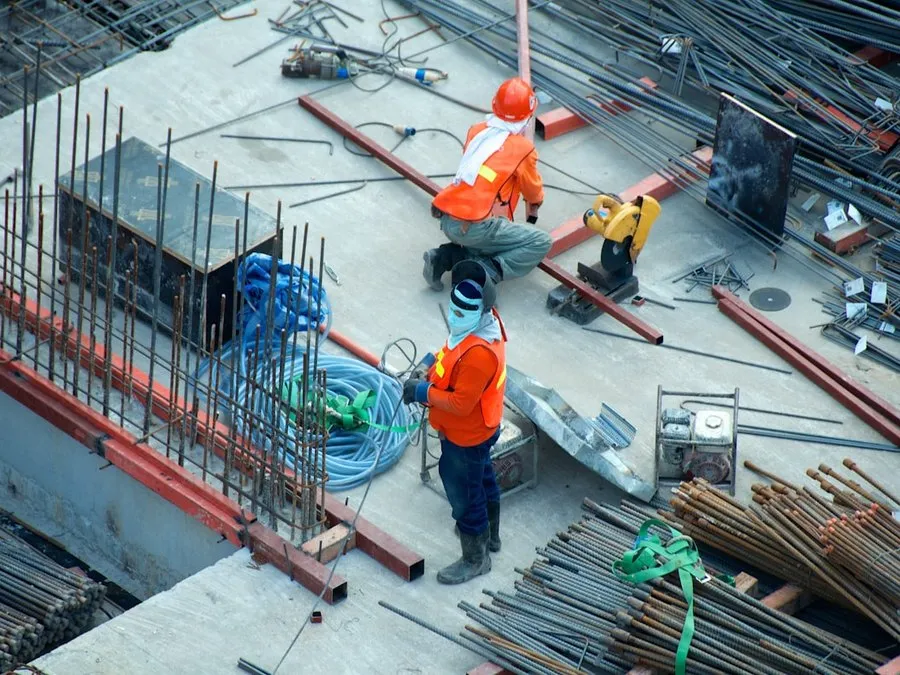
HSE supervisors can't watch every area throughout a shift. Automatic PPE detection helps by checking every person visible on camera.
How it works
An AI model analyzes video from the cameras, recognizes people, then checks safety gear such as helmets and vests. If something is missing in a mandatory-PPE area, the system sends an alert with a photo, location, and time.
Models retrained with local field data are usually more accurate, because uniform colors, PPE types, and lighting conditions differ from site to site.
What to prepare
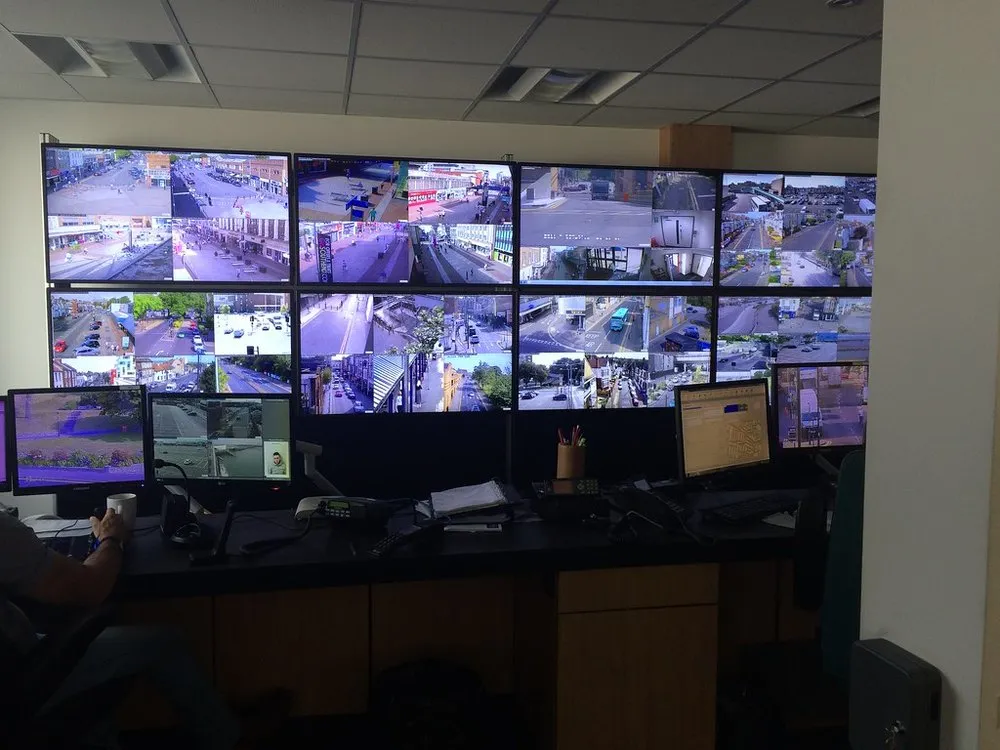
- Camera position. The angle and distance must let workers' bodies be seen clearly.
- Lighting. Areas that are too dark or have glare reduce accuracy.
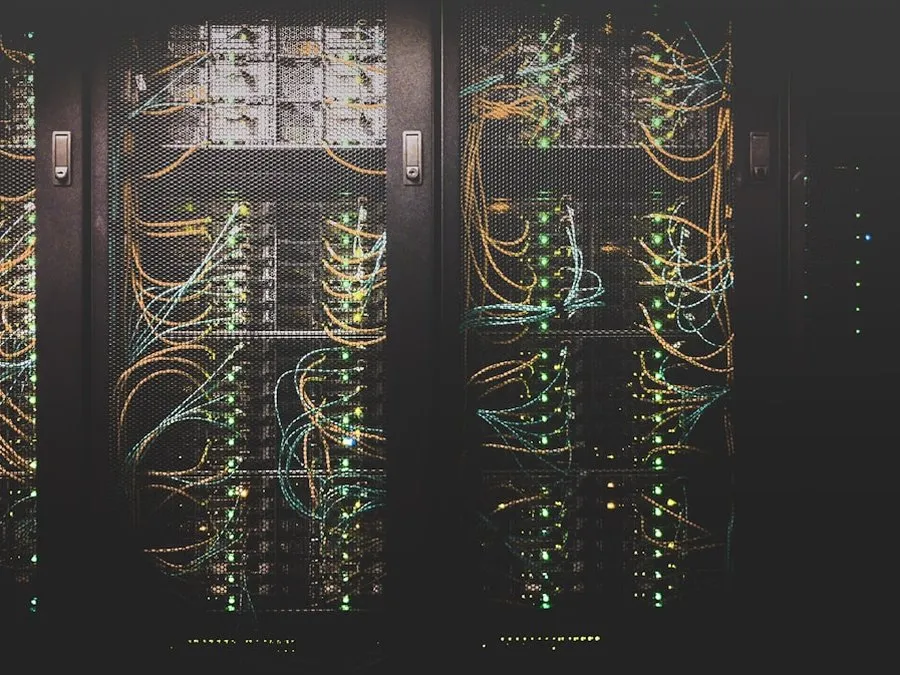
- Server. Analysis can run on a local server so video doesn't need to leave the site.
- Rules per area. Not every area requires the same PPE.
Using alerts properly
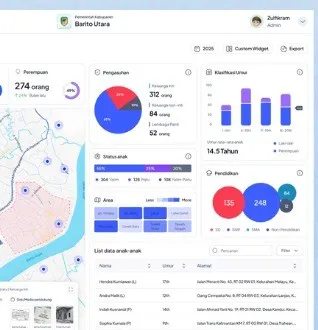
Alerts should be forwarded to area supervisors — via the dashboard, email, or WhatsApp — not just stored in the system. Daily summaries per area and per shift help reveal patterns, such as points with frequent violations.
Start with a pilot
Choose one or two high-risk areas, measure the number of violations before and after, then expand once results are visible. A pilot like this can usually start within 2–4 weeks.
Sentra's Safety AI can use existing CCTV if its quality and positioning are adequate.
Tell us about the process. We'll help map out the most proportionate approach.